Through Our Eyes: Three Courses with Four Senses
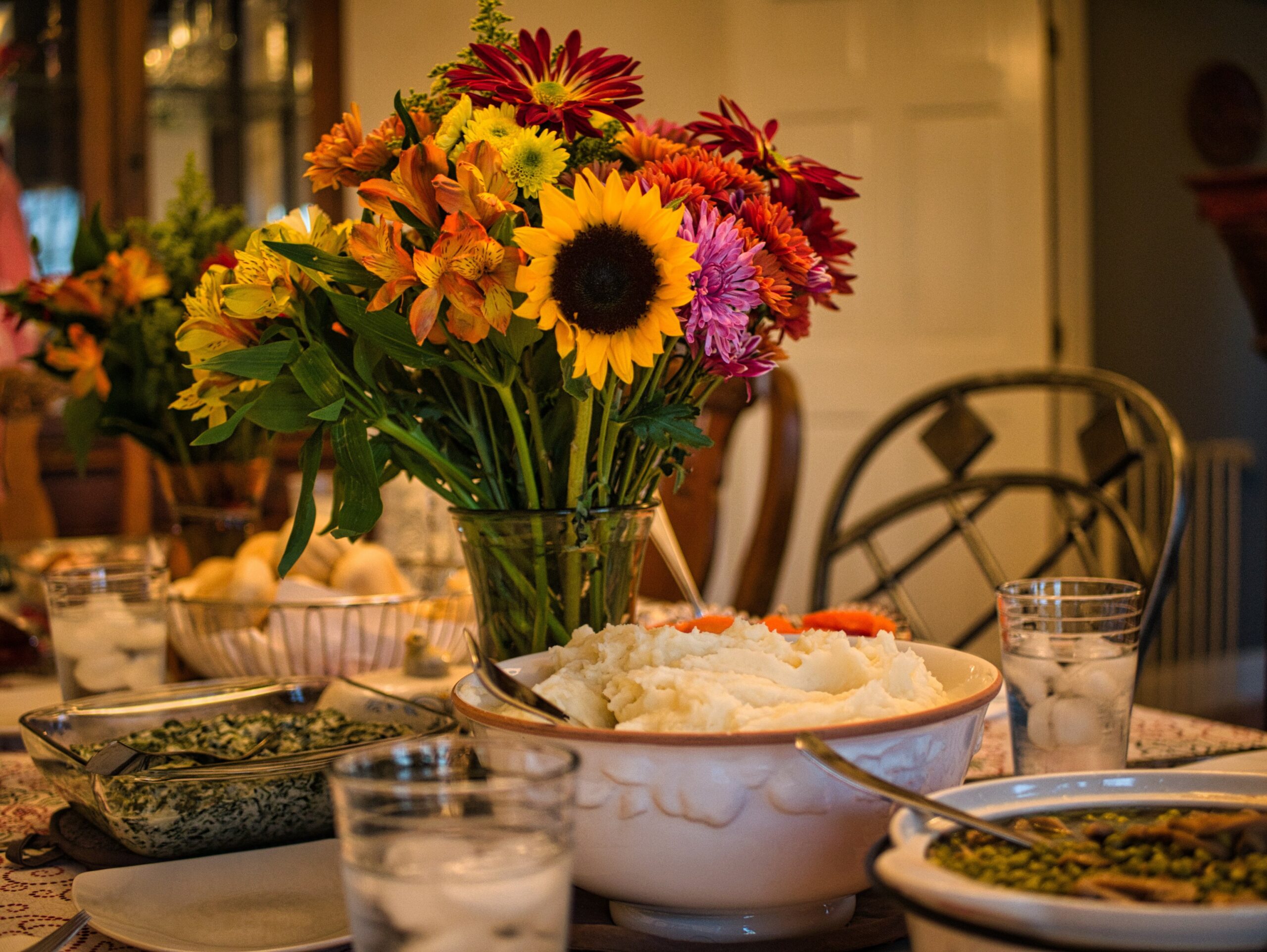
As I write this blog, Thanksgiving is just days away. Families will gather, share what they are thankful for and, of course, enjoy plenty of delicious food. In many homes, there is an unspoken hierarchy: someone handles the turkey, someone makes the sides and someone’s grandmother is in charge of the pies, cobblers, and desserts.
What may surprise some people is that households across the country led by people who are blind or visually impaired are preparing for Thanksgiving, too. And the difference between our Thanksgiving and a sighted family’s Thanksgiving?
Pretty much nothing.
Tips, Tricks and Tools
People living and cooking with vision loss are just as capable of preparing a mouthwatering Thanksgiving dinner as anyone else. As with many tasks, we may simply use different methods. Like any great chef, cooks with vision loss develop systems that work for them, often combining organization with accessible tools and technology.
Jackie Lars is known throughout Alphapointe for her pies, and she has already started baking for the holiday.
“I have my spice and seasoning shelves completely organized, with the labels facing outward,” Jackie explains. “That way, I can use my Meta glasses or apps like Seeing AI or Be My Eyes to read each label.”
Those tools can also read food labels and cooking directions. Braille labels and tactile bump dots offer another simple way to identify spices and seasonings. That is the system this blogger uses.
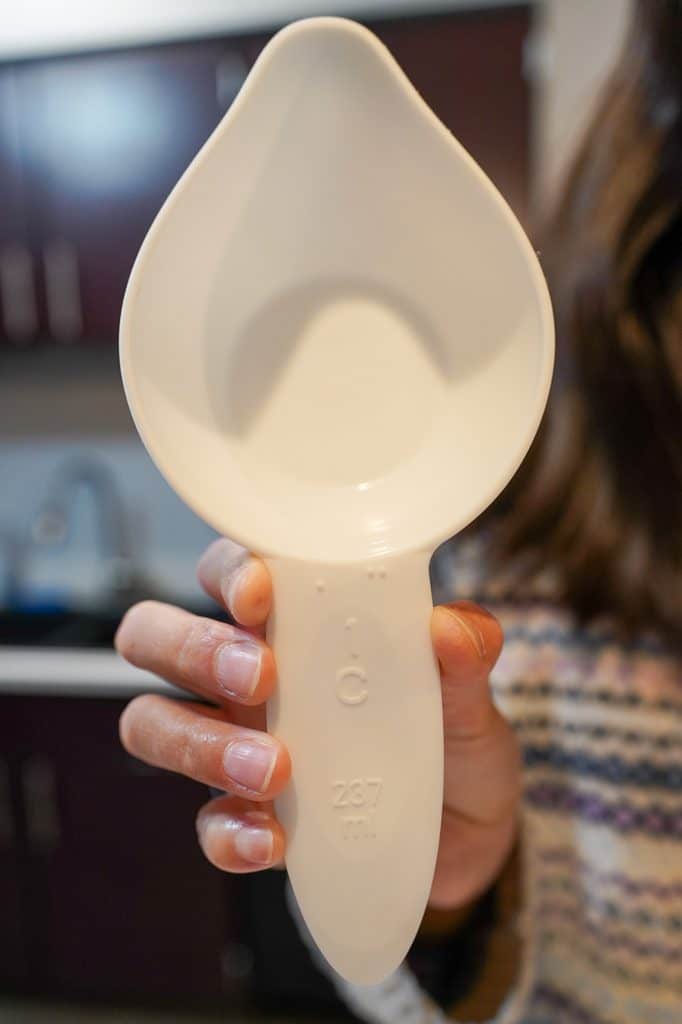
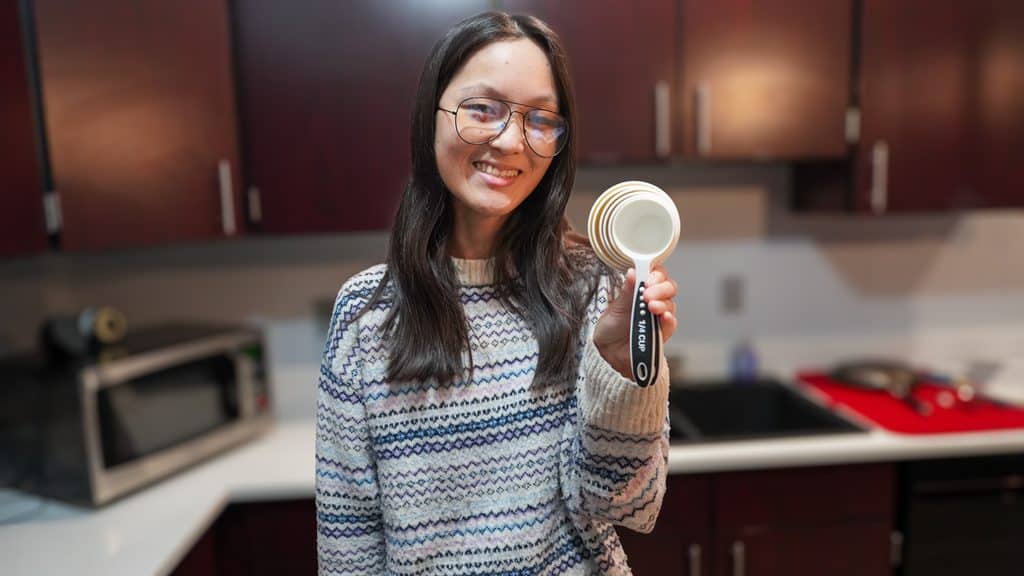
Cooks with vision loss can also choose from a wide range of accessible kitchen tools, including Braille measuring cups and spoons, talking meat thermometers, liquid-level indicators, high-contrast cutting boards and my personal favorite, the double-headed spatula.
Tactile bump dots are an easy, low-tech way to mark stove and oven dials. For a higher-tech option, smart appliances can be controlled with an Echo device. That is the system Alphapointe Assistive Technology Instructor Linda Coccovizzo uses when cooking for her family.
“I always encourage clients to get out everything they will need before they start cooking,” says Mandy Myers, Alphapointe Activities of Daily Living Instructor. “Another low-tech tool is a simple cafeteria tray. The raised edges make chopping and organizing much easier.”
What’s on the Menu?
I asked several Alphapointe colleagues who are blind or visually impaired what dishes will be gracing their family tables this Thanksgiving.
Main Course
Linda Coccovizzo will make turkey tetrazzini with mushrooms, olives, peas, cheese and bacon, topped with a white wine sauce. Romia Hall from our Office Products Department and his wife, Mary, will serve ham, turkey and three slabs of baby back ribs. David Ray and his wife will prepare a traditional turkey.
Sides
Braille Instructor Glinda Pitmen is bringing green bean casserole and broccoli rice casserole. Nora Maderos from our Sewing Department will make homemade macaroni and cheese with several cheeses and bacon. Romia is handling the collard greens, mashed potatoes, macaroni and cheese, and deviled eggs.
Dessert
Linda will make an “earthquake cake.” Romia promised his wife a lemon cake and will pair it with cheesecake. And no holiday is complete without Jackie’s assortment of pies and cobblers.
Happy Thanksgiving
With the right techniques, accessible tools and a little organization, the kitchen can be a welcoming place for blind and sighted cooks alike. This Thanksgiving, my Alphapointe colleagues will be doing what families everywhere do: working together, sharing traditions and filling the table with food made with care. Happy Thanksgiving from all of us at Alphapointe.