Through Our Eyes: Changing the Way the World Sees Blindness
“When I lost my sight, I thought my life was over. Alphapointe taught me that it is just beginning.” – McKenna Lewis.
Someone once told me that if you break your leg and go to the hospital, there will be a plan in place for physical therapy and recovery before you leave your room. The idea being that you’ll work toward getting back to normal life as quickly as possible.
When you are blind, there is often no plan. No instructional handbooks, how-to videos, brochures on what to expect. Nothing. That’s because the path through vision loss takes so many directions depending on a number of things. That starts with what is causing your vision loss, of course. But each person’s vision – and the response to treatment or an action plan – is completely different.
In fact, If you are a child or young adult living with vision loss, unless you are attending a school for the blind, chances are you are the only blind student among hundreds of your sighted peers. Perhaps you are a working age adult, with a family to support and a mortgage and other bills that need paying, and no job prospects because of the inherent belief that you are incapable of performing on the job.
Ultimately, there is no easy answer. There is no quick fix. And there is no cure.
That’s where Alphapointe steps in.
7501 Prospect Ave – The Life Skills Campus
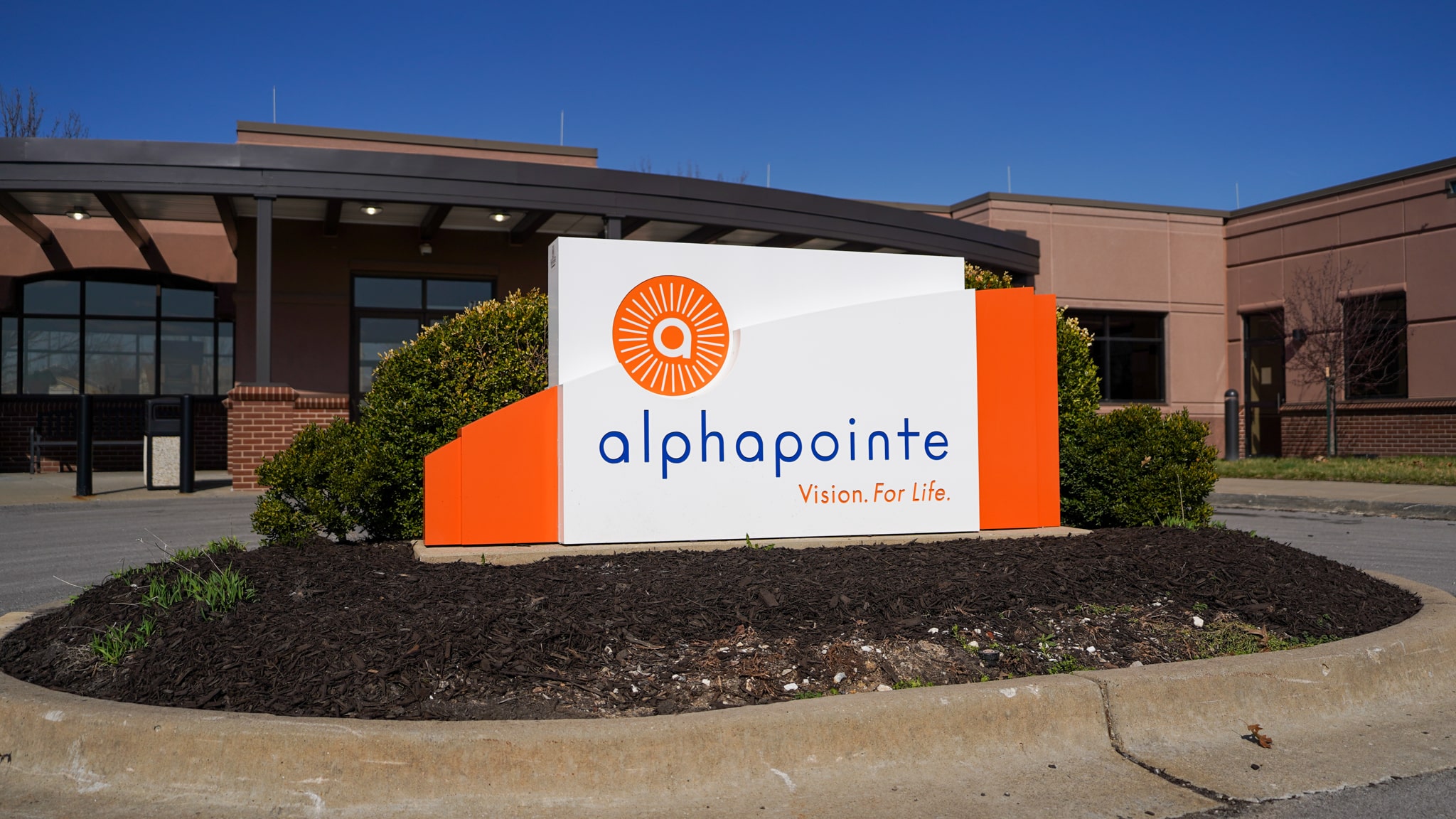
The building with the sign out front that reads “Alphapointe” contains far more than just products and machines, all of which serve to employ people with vision loss while making great products for our partners.
As a blind man, I can say with confidence that it contains commodities of incalculable value, which cannot be ordered or purchased. It contains potential, possibilities and, maybe most of all, hope.
Working A Regular Job
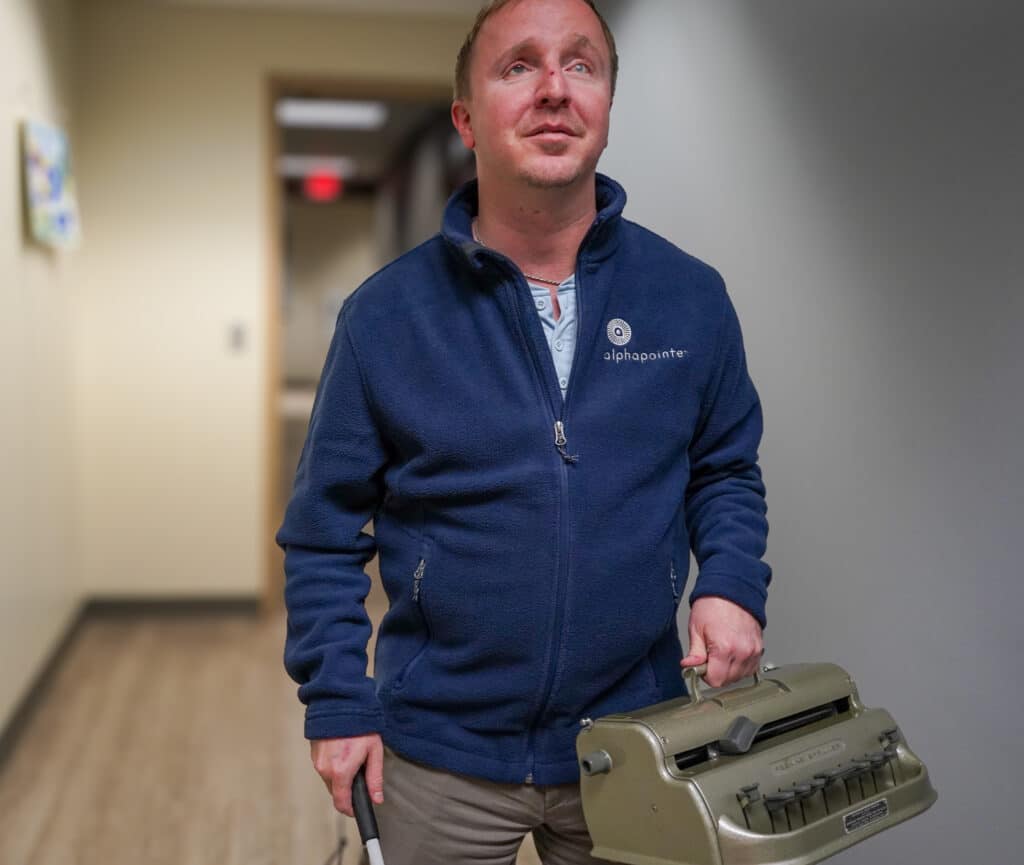
Before gaining my employment at Alphapointe some 10 years ago, I had a baby on the way and absolutely no way to support that child or my family. I filled out hundreds of job applications, rarely saw the inside of an interviewer’s office, and when I did I was quickly dismissed at the sight of my cane and sunglasses. My story is not unique. In fact, if you asked anyone working at Alphapointe now, they’ve to a person had similar experiences.
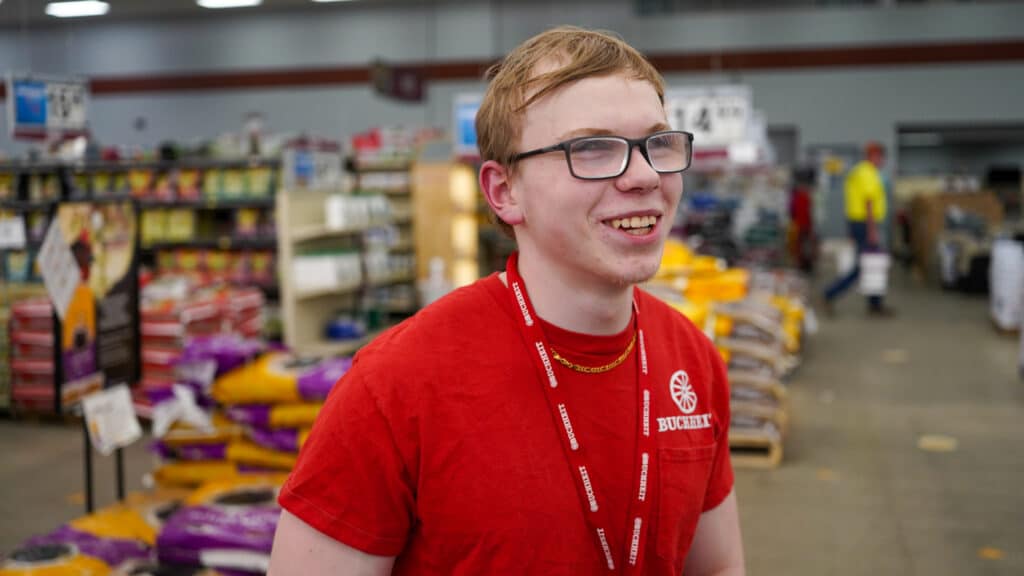
Thanks to the employment opportunities available at Alphapointe we have the opportunity to join our community; we wake up early, fill our mugs with coffee, catch a ride to work and get down to the business of contributing to the community in a way that supports our lives. And the lives of others.
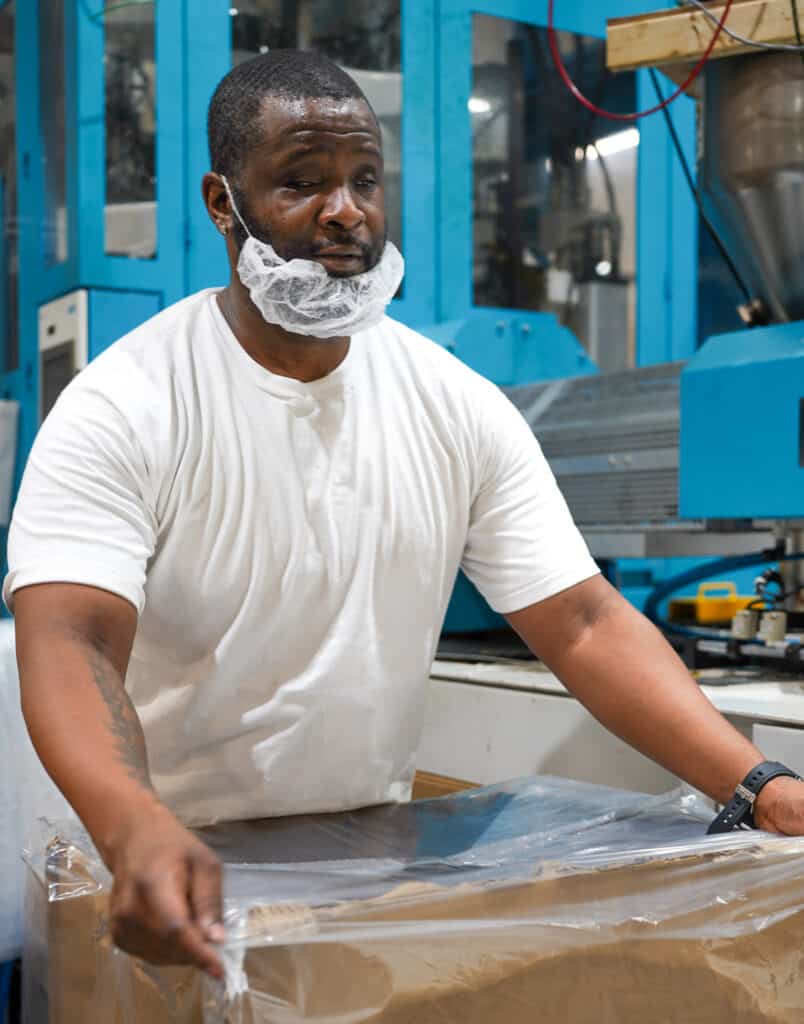
Not with jobs that are handed to us. Like everyone else, we compete for positions and have opportunities to make moves that help fulfill our talents and ambitions. We are machine operators, product assemblers, content creators (like me), website and technology experts, and more.
As the Big Data Project revealed, unemployment rates range from 50-70 percent for the BVI (blind and visually impaired) community. But it doesn’t have to. Not only are we eager; we’re capable. And all we want is a chance to prove ourselves while we support our families.
A New Beginning
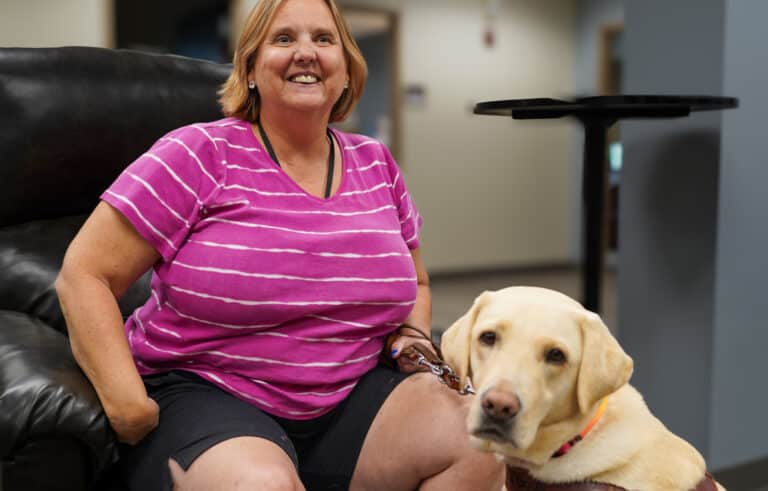
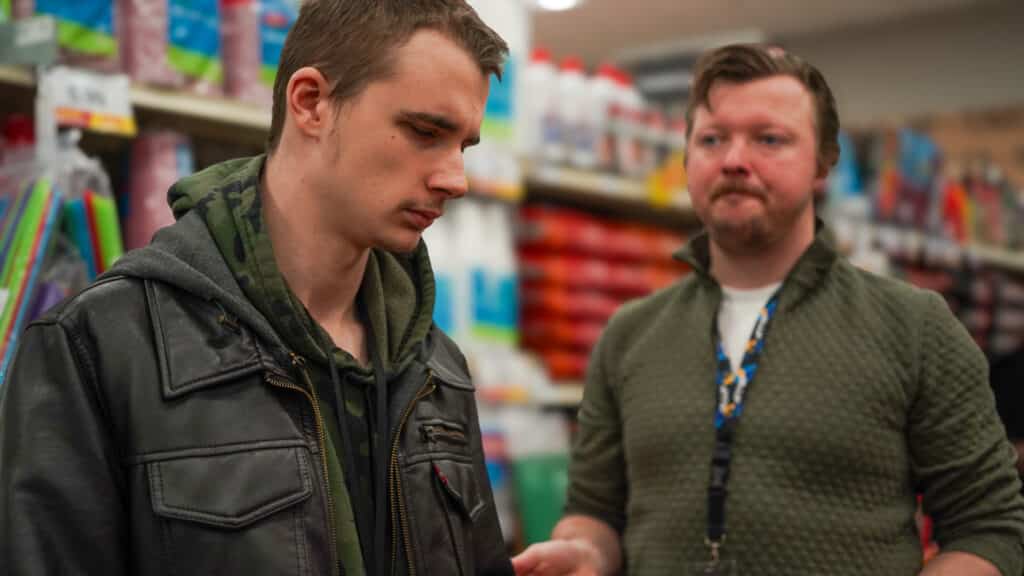
If you walk across the main lobby of Alphapointe and go through the double glass doors, it can feel like entering another world. The sounds of machinery give way to the subdued sounds of office chatter. You’re likely to hear the tap of a cane and instructions being spoken to one of the many clients in the building learning different techniques for orientation and mobility. They might be making their way to the technology lab to learn computer and phone skills using adaptive techniques, the end goal of which is to get back to work. Or they could be in the training apartment learning the simple – but important – things we all need to do: matching clothes, cooking dinner, handling cleaning and household finance.
What We Came With .. and What We’ll Leave With
Alphapointe is not just a manufacturing plant, a rehabilitation facility or a low vision clinic. Take it from me. It’s a beacon of hope. It provides opportunities for those wanting to work and realize their potential; it provides hope for those who are in need of a new beginning. It provides fellowship for those who feel all alone as their sight begins to diminish. And, finally, it helps raise the voice of those with vision loss so more people understand just what we’re capable of and how passionate we are about contributing to the world while living our own dreams. That’s how we’re changing the way the world sees blindness.